Asking a chatbot what to wear has quietly become normal. You type "what should I wear to a winter wedding?" or "does olive go with navy?" and you get a confident, well written answer in a few seconds.
Sometimes that answer is genuinely useful. Sometimes it describes a lovely outfit built from a camel coat, a silk blouse and ankle boots you have never owned. Both happen for the same reason: a general AI knows a great deal about clothes and nothing at all about yours.
Here is what AI styling actually does well, where it falls down, and how to get answers you can wear tomorrow morning.
What a general chatbot is good at
Large language models have read an enormous amount of fashion writing, so the general knowledge is solid. A chatbot is a good tool for:
- Dress codes. "Cocktail attire", "smart casual" and "black tie optional" are well documented, and a chatbot will explain them clearly. (Our guide to business casual goes deeper on the one that confuses people most.)
- Colour rules of thumb. Which neutrals go with everything, why navy and brown work, how to wear one bright colour without it shouting.
- Proportion and fit basics. Balancing a wide leg with a closer fitting top, where a jacket should end, how a shirt should sit on the shoulder.
- Brainstorming. Ten ways to wear a white shirt, or what to pack for a city break in March. Lists are where chatbots shine.
- Care questions. Whether wool can go in the washing machine, or what a laundry symbol means.
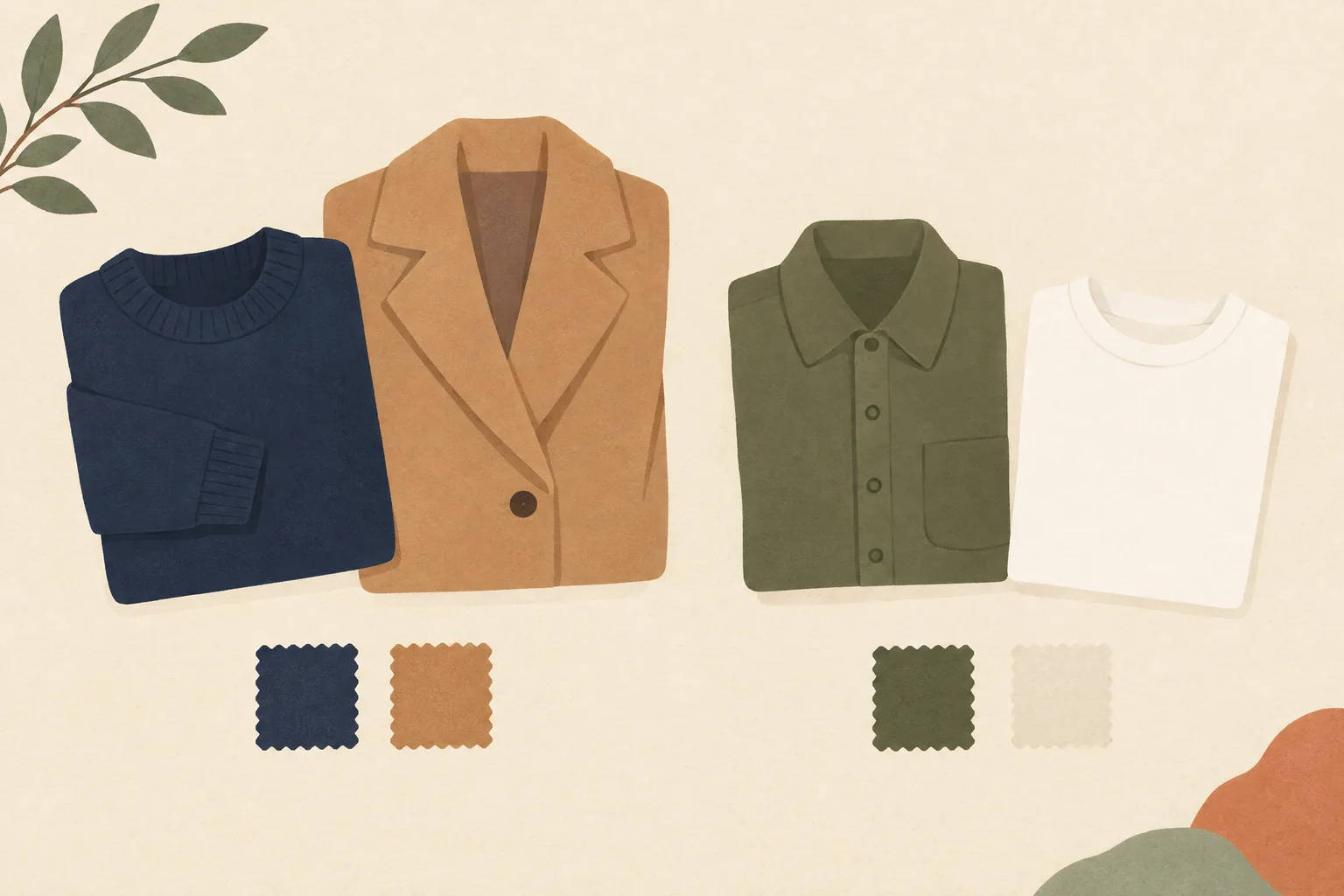
If your question is about clothes in general, a chatbot is a fast, patient answer machine. The trouble starts when the question is about your clothes.
Where it falls down: four things it cannot see
"What should I wear today?" sounds like a simple question. To answer it well, a stylist needs four pieces of context that a general chatbot does not have.
1. Your actual wardrobe
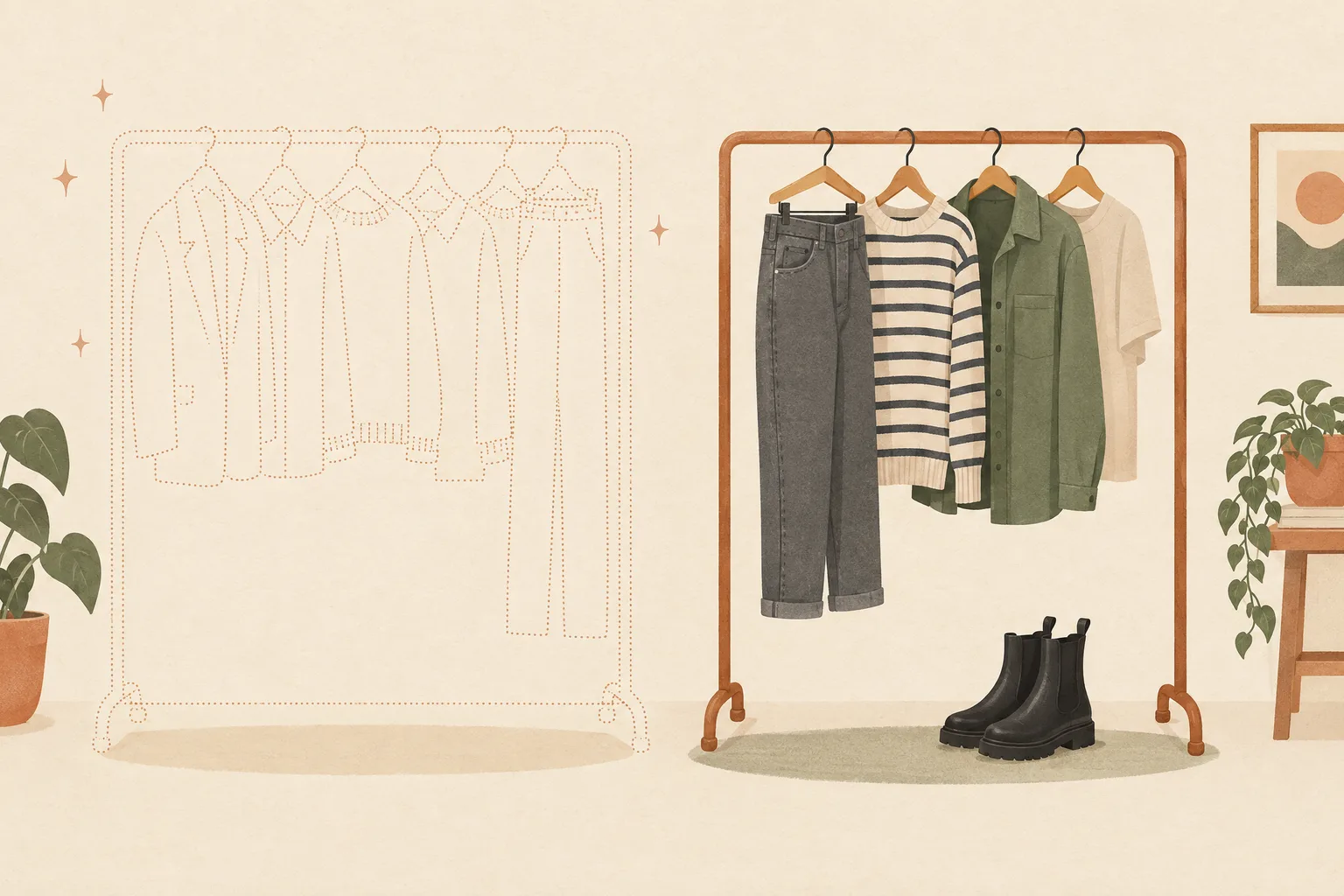
Without a list of what you own, the chatbot can only describe an ideal outfit. It will suggest "dark straight leg jeans, a cream cable knit and white leather trainers" because that is a safe, classic answer. If you own grey jeans, a striped jumper and black boots, you now have to translate its outfit into yours, which was the hard part all along.
You can paste in a list or upload a photo, and a good chatbot will try. But a typed list loses the details that matter (the exact shade, the cut, the fact that the trousers are a little short) and you have to repeat it in every new conversation.
2. The weather where you are
"Light layers for spring" is not much help when it is eight degrees and raining at your bus stop. Unless you tell it the forecast, a general chatbot answers for a typical day, not your day. Good outfit advice starts with the temperature, the rain and how long you will be outside.
3. What is clean right now
The best outfit in the world is useless if the trousers are in the laundry basket. A chatbot has no idea what you washed last week, so it will cheerfully build tomorrow around the jumper you wore twice already. That is the same midweek bottleneck we described in nothing to wear with a full closet: your favourites are always the ones in the wash.
4. What you actually wear
This is the subtle one. Your wear history says more about your style than anything you could type. The pieces you reach for every week, the ones you have not touched since spring, the outfits you wore once and never repeated: that is real data about what works for you. A chatbot that has never seen it can only guess at your taste from what you tell it, and most people describe the style they want rather than the style they wear.
How to get better answers from any AI
If you do use a general chatbot for outfit help, a little structure makes a big difference. Give it the context it cannot see:
- Name the pieces you are choosing from. Not your whole closet, just the realistic options: "I have navy chinos, black jeans, a grey crew neck, a white oxford shirt and a green overshirt."
- Give it the day. Temperature, rain, how long you will be outdoors and what you are doing ("eleven degrees, light rain, office then dinner").
- Say what is off limits. Anything in the wash, anything that needs repair, anything you simply do not like wearing.
- Ask for two or three complete outfits, not general advice, and ask it to explain why each one works. The reasons teach you something for next time.
- Tell it what you wore recently, so it does not hand you the same outfit three days in a row.
This works, and it is a lot better than asking cold. It is also a lot of typing, every single time, which is why most people give up on it after a week.
Where an AI stylist with your closet is different
The fix is not a smarter chatbot. It is a chatbot that already has the context, so you do not have to supply it.
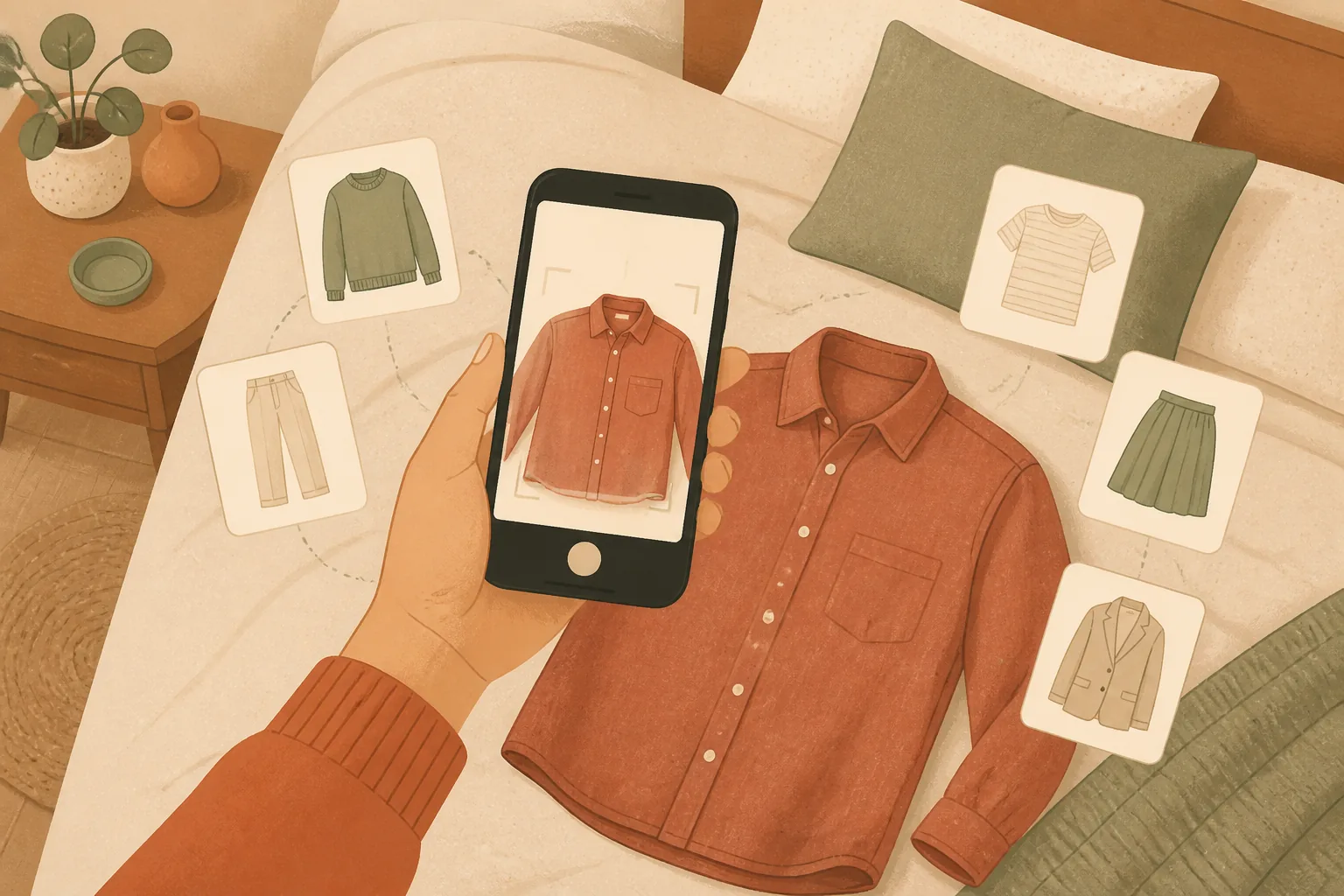
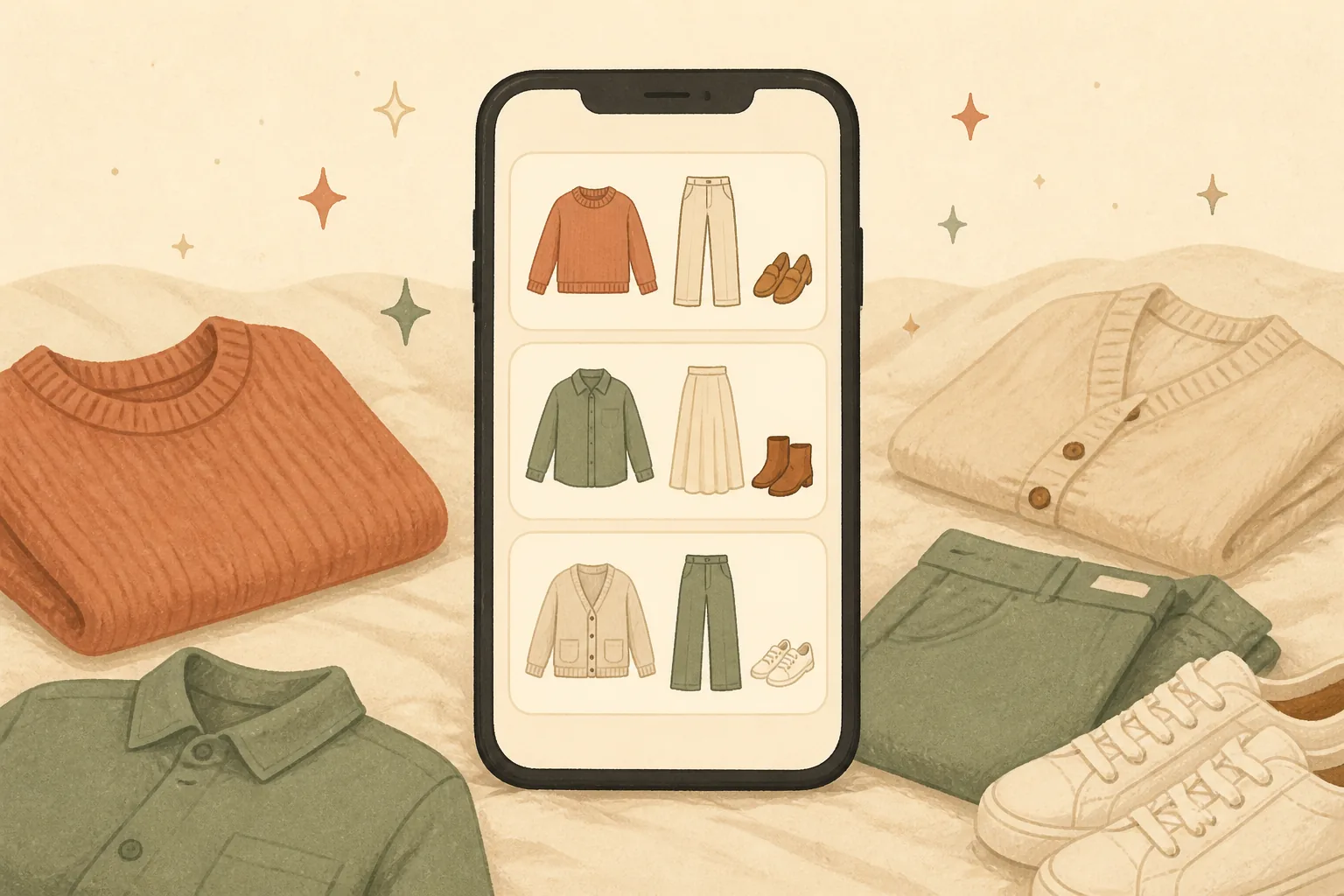
That is what we built the Style Assistant in Closet DJ to do. You photograph your clothes once, the AI catalogues each piece, and from then on every suggestion is built from items you actually own, shown as the pictures of your own clothes rather than a description. Ask it about a day ahead and it checks the forecast. With laundry tracking on, it steers away from pieces in the wash. And because you mark outfits as worn, your wear history builds up in the background, so the app knows what you lean on and what you have been ignoring.
The practical difference shows up in the questions you can ask. "What goes with these green trousers?" gets an answer from your own tops and shoes. "What should I wear for dinner on Friday if it rains?" takes the forecast into account. And if a look genuinely needs something you do not own, it can point out the missing piece instead of pretending you have it.
If you want to compare tools, we looked at the main options honestly in the best AI outfit generator apps. And if the idea of photographing a whole wardrobe sounds like a weekend job, it is not: digitising your wardrobe takes about ten minutes with photo import doing the cataloguing.
Frequently asked questions
Can ChatGPT pick my outfits?
It can suggest outfits and explain general style rules well, but it does not know what you own, what the weather is where you are, what is in the wash or what you actually wear. You get better results if you list your options and the day's conditions in each request, or use an app that already has that context.
Is there an AI that picks outfits from your own clothes?
Yes. Wardrobe apps such as Closet DJ catalogue the clothes you own from photos and build outfit suggestions only from those pieces, taking the weather into account and favouring clean clothes if you track your laundry.
How do I ask AI what to wear?
Be specific. Name the pieces you are choosing between, give the temperature, rain and occasion, say what is unavailable, and ask for two or three complete outfits with a reason for each.
Is an AI stylist worth it?
For general knowledge, a free chatbot is often enough. For the daily question of what to wear, an AI stylist that knows your wardrobe saves the most time, because it removes the step of translating generic advice into clothes you own.
Get outfit suggestions from the clothes you actually own. Closet DJ catalogues your wardrobe from photos and its Style Assistant plans what to wear with the weather and your laundry in mind. Try it free.
Put this guide to work
Now try it on your own closet.
Closet DJ is free to start. Add your clothes and the Style Assistant answers with pieces you actually own.
Ask the Style Assistant
Ask the Style Assistant in the Closet DJ app:What can you do with my closet?
Get new posts in your inbox
One email per new post, written by the Closet DJ team. No spam, unsubscribe anytime.