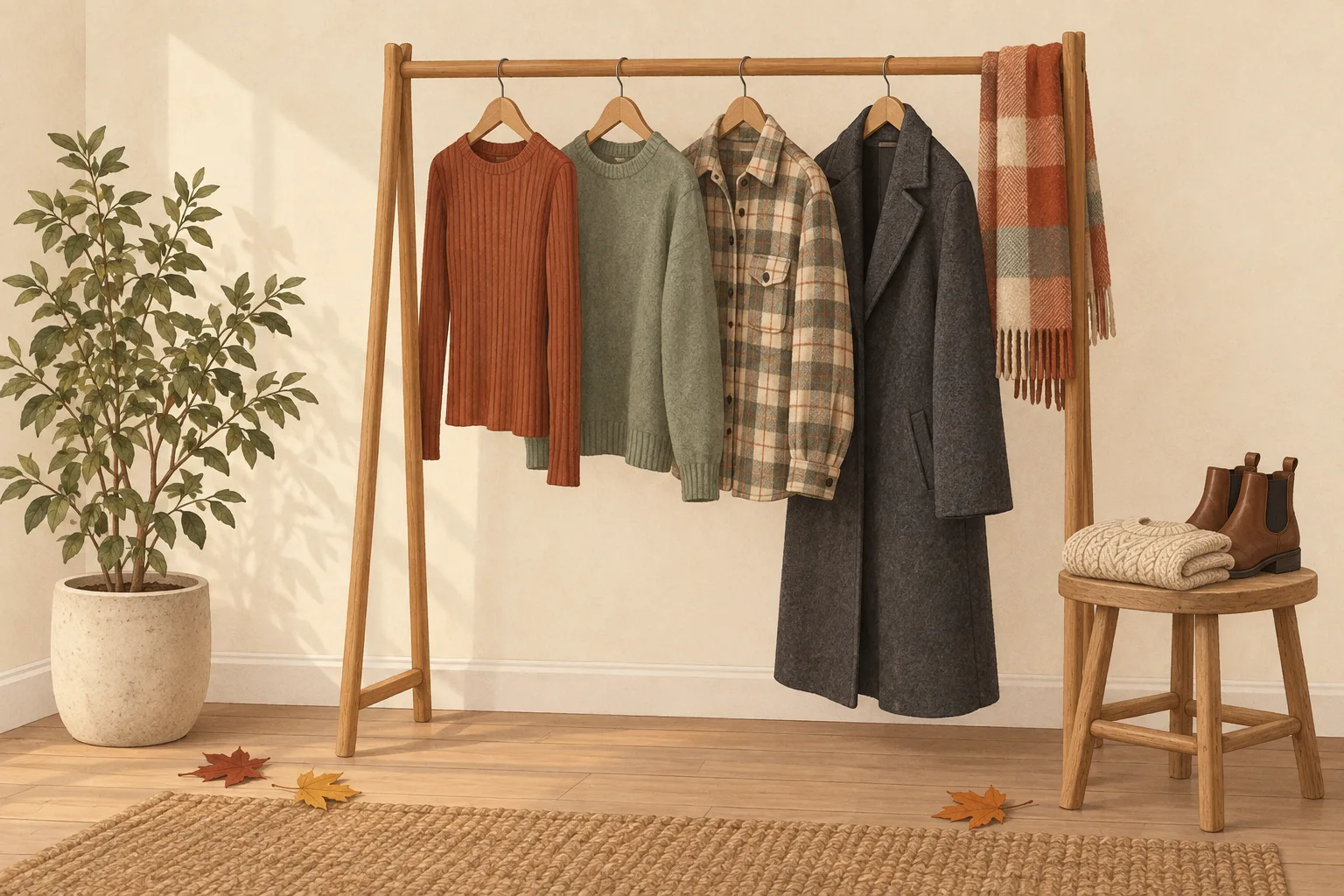
How to Stop Jumpers Pilling (and Fix the Ones That Already Have)
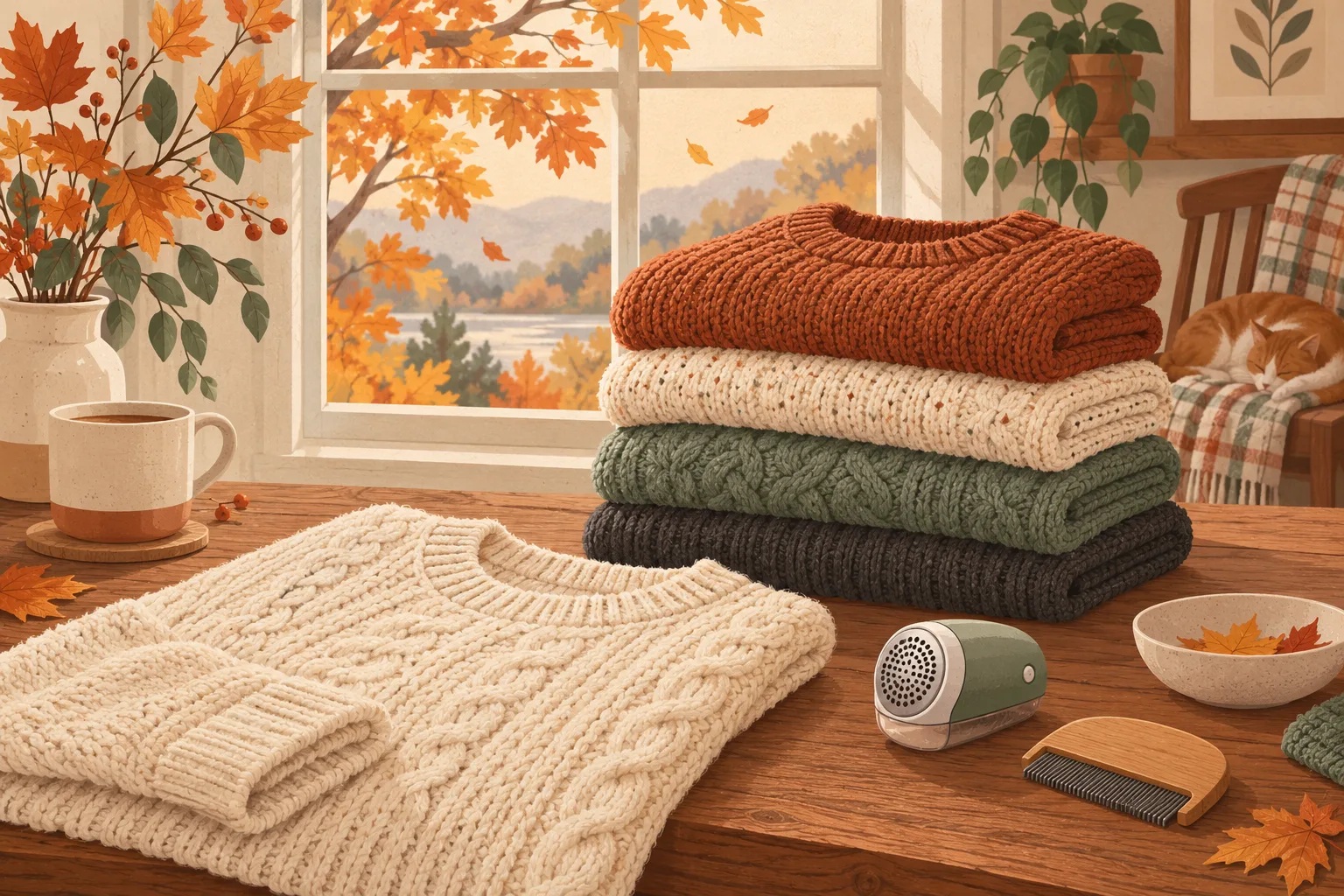
The knitwear comes back out in October and, within a couple of weeks, so do the bobbles: under the arms, on the cuffs, wherever a bag strap sits. It is tempting to blame the jumper. Usually the jumper is fine. Pilling is something that happens to it, and most of the cause is in your control.
Here is what is going on, how to stop most of it, and how to remove the pills you already have without making things worse.
Why jumpers pill in the first place
A knitted yarn is a bundle of short fibres twisted together. Rub the surface and some of those fibres work loose at one end while staying anchored at the other. Keep rubbing and the loose ends tangle with their neighbours into a tight little ball. That ball is a pill.
Three things decide how badly a jumper pills:
- Friction. Pills form where the fabric rubs: under the arms, at the forearms on a desk, under a bag strap or a coat. No friction, no pills.
- Fibre length. Short fibres have less of their length twisted into the yarn, so they escape more easily. Cheaper wool, cashmere and cotton are often spun from shorter fibres, which is one reason a budget jumper pills faster.
- Fibre strength. The counterintuitive one. Natural fibres pill, but the pills tend to break off and fall away. Strong synthetics such as polyester and acrylic pill and then hold on, because the anchoring fibre is too tough to snap. That is why a wool and acrylic blend can look worse after a season than either material alone.
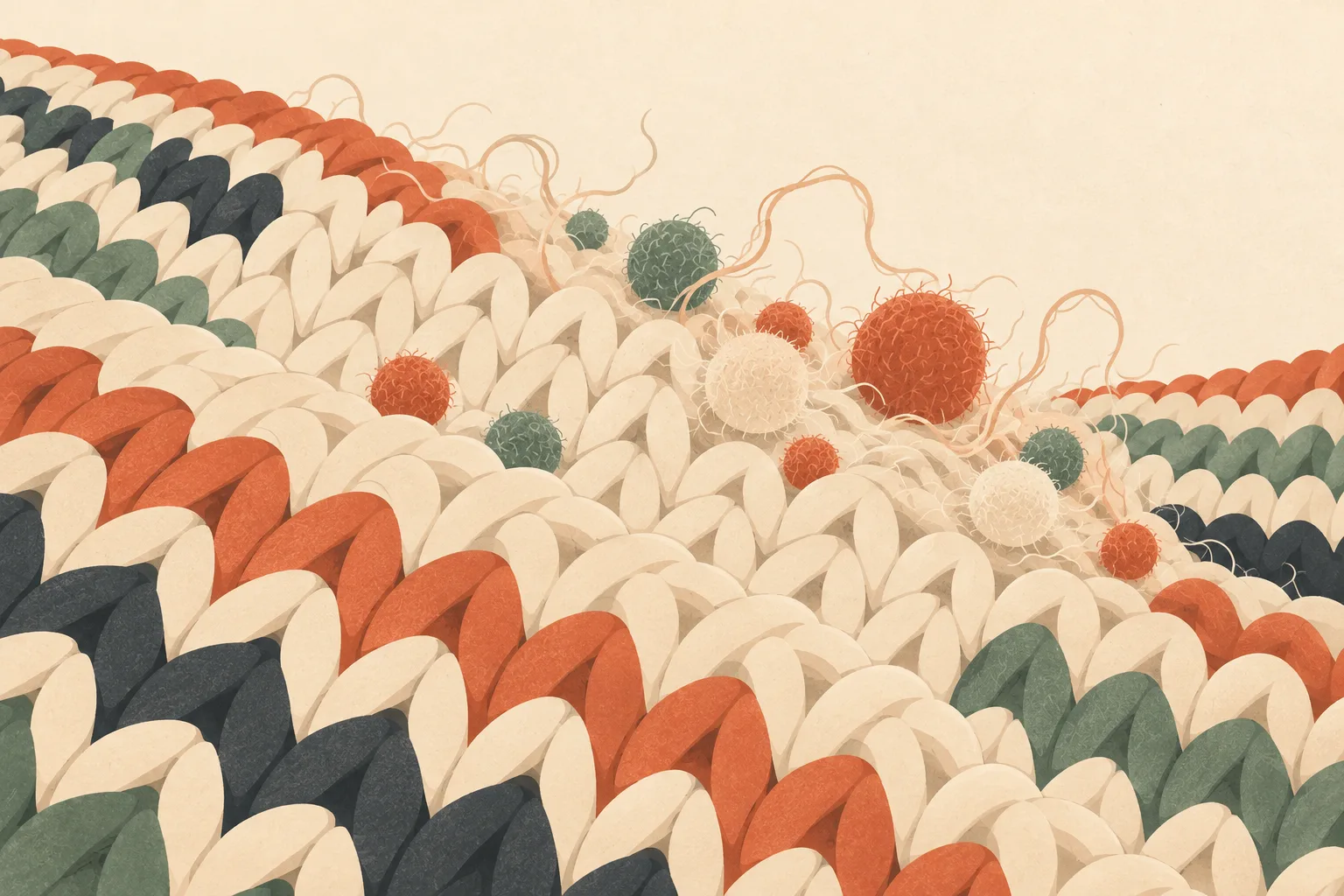
One reassuring detail: new knitwear, cashmere especially, sheds its loosest fibres in the first few wears, so early pilling often settles once you have removed it once or twice. Pilling that never stops points to a short fibre or a loose knit.
Wash less, and wash gently
Every wash is a long session of friction: the drum turning, other garments rubbing, zips catching. For most people it is the biggest source of pilling, and the easiest to cut.
- Wash less often. Five or six wears between washes is a sensible start for knitwear, and wool, which resists odour on its own, can go longer. Our guide to how often to wash clothes covers this garment by garment.
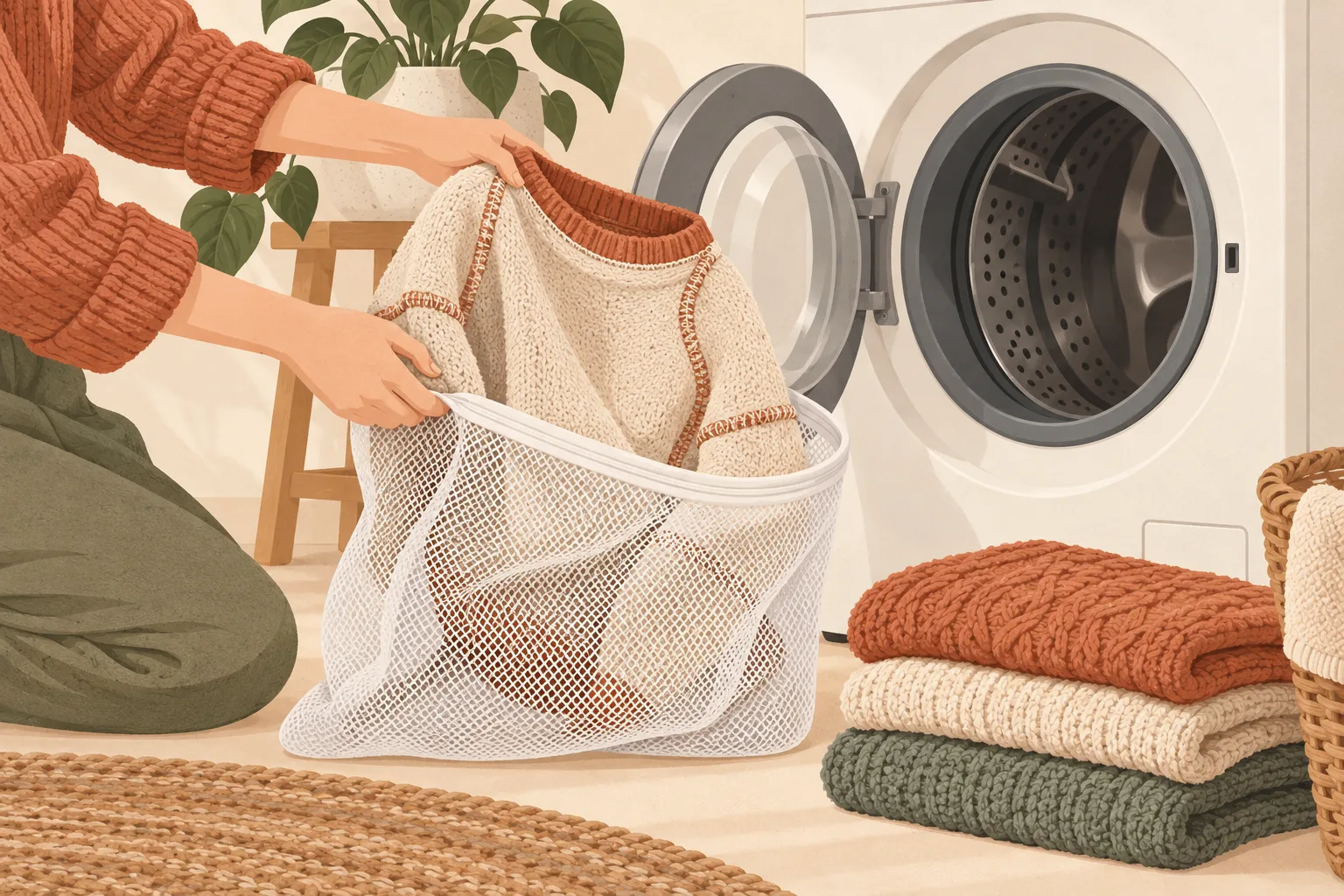
- Turn it inside out. Whatever rubbing happens in the drum then happens to the inside.
- Use a mesh laundry bag. It stops the jumper rubbing against the rest of the load.
- Wash with like for like. Never with jeans, towels or anything with a zip or Velcro. Heavy fabrics act like sandpaper.
- Cold water, wool or delicate cycle, low spin. Less agitation means less fibre lifted. Hand washing with a wool detergent is gentler still.
- Half fill the drum. An overloaded drum grinds clothes together, and a nearly empty one throws them around.
Check the label before any of this. If the care symbols say hand wash only or dry clean, take them at their word.
Dry flat, and skip the tumble dryer
A tumble dryer is heat plus an hour of garments rolling over each other: the recipe for pilling, and shrinking. Keep knitwear out of it.
Roll the jumper in a dry towel and press out most of the water, then lay it flat on a rack, reshaping it as you go. Hanging a wet jumper stretches the shoulders, and a radiator bakes the fibres stiff.
Change how you wear it
The rest of the friction happens on your body.
- Rotate your knitwear. Wearing the same jumper three days running keeps the same spots under constant friction. Two or three in rotation each last far longer than one worn to death.
- Watch the friction points. A crossbody bag will pill the strap line of a fine merino jumper within a week. Switch shoulders, or save the delicate knit for days you carry less.
- Mind your layering. A rough wool coat over a soft cashmere jumper rubs it constantly. A smoother lining takes most of that away.
- Fold, never hang. Hangers stretch knitwear and leave shoulder bumps.
How to remove pills you already have
Removed properly, pills come off and a jumper looks close to new. Removed badly, the problem gets worse.
Lay the jumper flat on a table, smooth the area taut with one hand, then pick one of these:
- An electric fabric shaver. The fastest, most even option for large areas. Small circles, light pressure. Pressing hard can cut into the knit.
- A sweater comb or pilling stone. Drawn gently across the surface in one direction. Slower, but kinder to fine wool and cashmere.
- A disposable razor, carefully. Short, light strokes on tightly knit cotton and wool only. It nicks loose or fine knits easily.
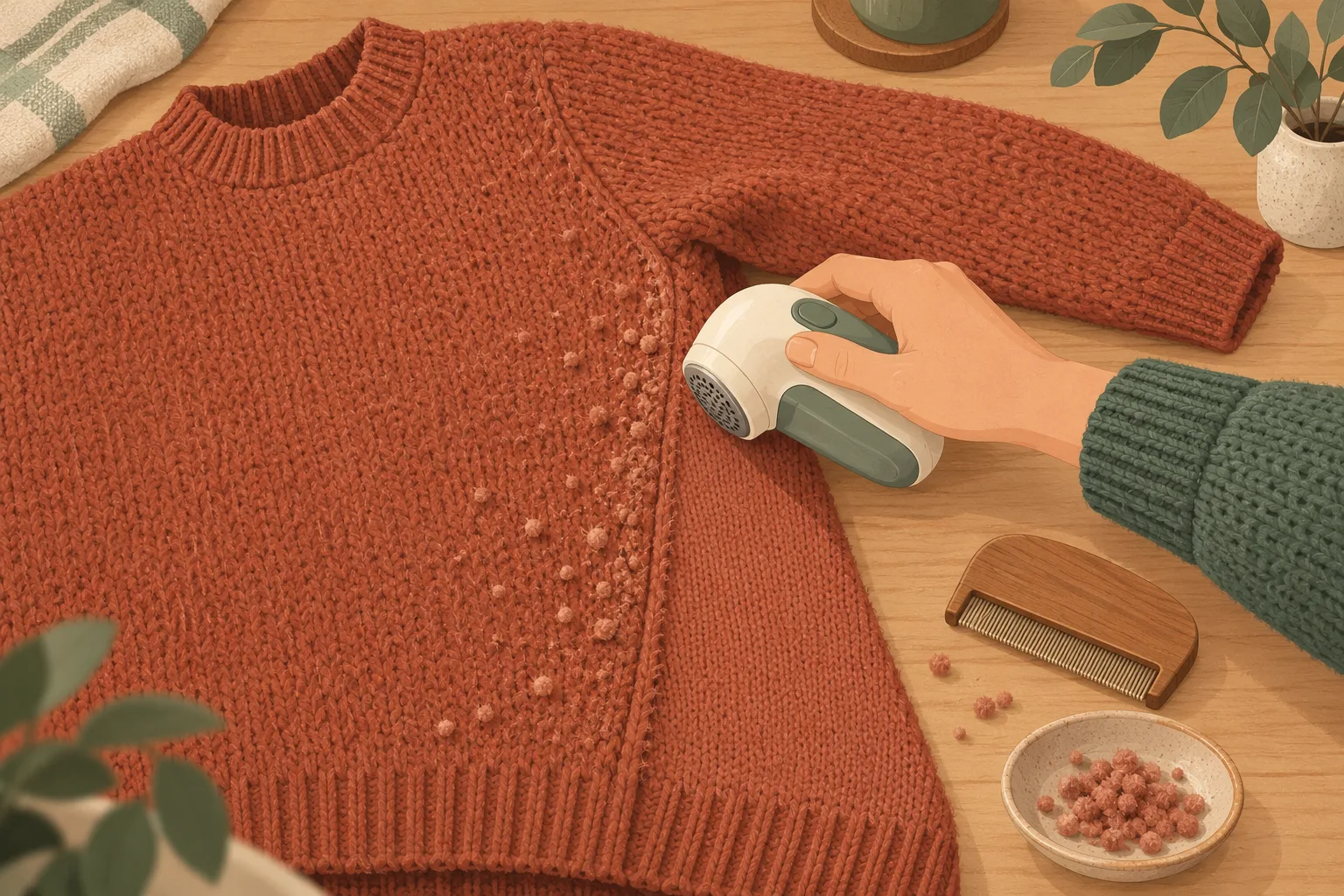
The one thing not to do is pull pills off with your fingers. Each ball is still anchored to the yarn, so tugging drags more fibre out and thins the fabric, which then pills faster. Treat a few minutes with a shaver as routine maintenance, like polishing shoes.
Buy jumpers that pill less
The best prevention happens in the shop:
- Read the label. A single natural fibre (wool, merino, cashmere, cotton) pills less stubbornly than a blend with polyester or acrylic. A little nylon for strength matters less than a large share of acrylic.
- Feel the knit. A tight, dense, smooth knit pills less than a loose, fluffy one. If you can see through it easily against the light, it will lift faster.
- Rub it. Rub two parts together firmly for ten seconds. Fibres lifting in the shop are bobbles in a fortnight.
A better jumper that lasts six winters is cheaper than a bargain one that looks tired by November. That is cost per wear in action.
Where Closet DJ helps
Most pilling comes down to two habits: washing knitwear more often than it needs, and wearing the same piece day after day. Both are hard to notice, because nobody remembers how many wears a jumper has had since its last wash.
Closet DJ keeps that count for you. Wear tracking shows which jumper is doing all the work, so you can spread the load. With laundry tracking on, worn pieces sit in a laundry basket until you mark them clean, so knitwear gets washed when it is due rather than out of habit, and outfit suggestions lean on clean pieces meanwhile.
Frequently asked questions
How do you stop a sweater from pilling?
Reduce friction. Wash it less often, inside out, in a mesh bag on a cold delicate cycle with no heavy fabrics in the load, and dry it flat instead of tumble drying. Rotate between a few jumpers so no single one is worn day after day, and watch for bag straps and rough coats rubbing the same spot.
Why does my new jumper pill so much?
New knitwear, cashmere especially, sheds its loosest short fibres during the first few wears and washes. Removing the early pills once or twice often stops it. If the pilling carries on at the same rate for months, the yarn is probably spun from short fibres or loosely knitted, or it contains synthetic fibres that hold the pills in place.
Is it OK to shave a jumper?
Yes, with a proper fabric shaver used on a flat, taut surface with light pressure. It cuts the pills off at the surface without pulling more fibre out of the yarn. Avoid pressing hard or shaving the same spot repeatedly, and use a sweater comb instead on very fine or loose knits.
Which fabrics pill the least?
Tightly knitted, long fibre natural yarns pill the least, such as good quality merino and wool, long staple cotton and higher grade cashmere. Loosely knitted fabrics and blends containing polyester or acrylic pill the most, because the strong synthetic fibres keep the pills attached instead of letting them fall away.
Keep your knitwear looking new for longer. Closet DJ tracks every wear and wash, so your jumpers get a rest before they get bobbles. Try it free.
Ready to remix your closet?
Try Closet DJ free. Organise your wardrobe and let AI build outfits from what you already own.
Yeni yazıları gelen kutunda al
Her yeni yazı için bir e-posta, Closet DJ ekibinin kaleminden. Spam yok, istediğin zaman çıkabilirsin.